The Thompson Brothers Remembered
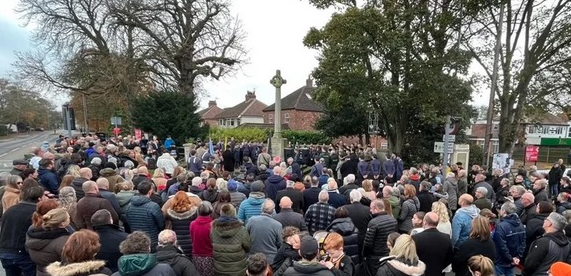
Every year in the East Riding Yorkshire town of Brough the Deputy Lord Lieutenant and the local Air Cadets join local people at the War Memorial to honour the 15 men of the town who gave their lives in the Second World War.
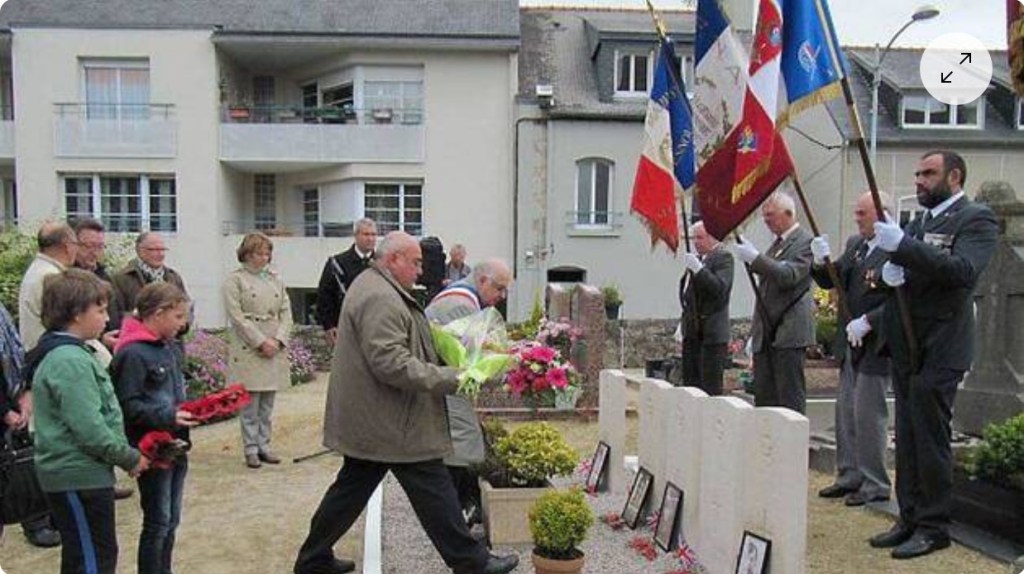
400 Miles away in Gouesnou, Brittany, the mayor is joined by French veterans and local townspeople to honour one of three brothers from Brough named on the war memorial who is buried in their local churchyard
The story of the three young men from Yorkshire who lost their lives in World War II, is little known to the wider public, but they are remembered every year across the world – in Yorkshire, in Brittany, on the small Dutch island of Teschelling and in distant Myanmar. They were the sons of John and Helen Thompson
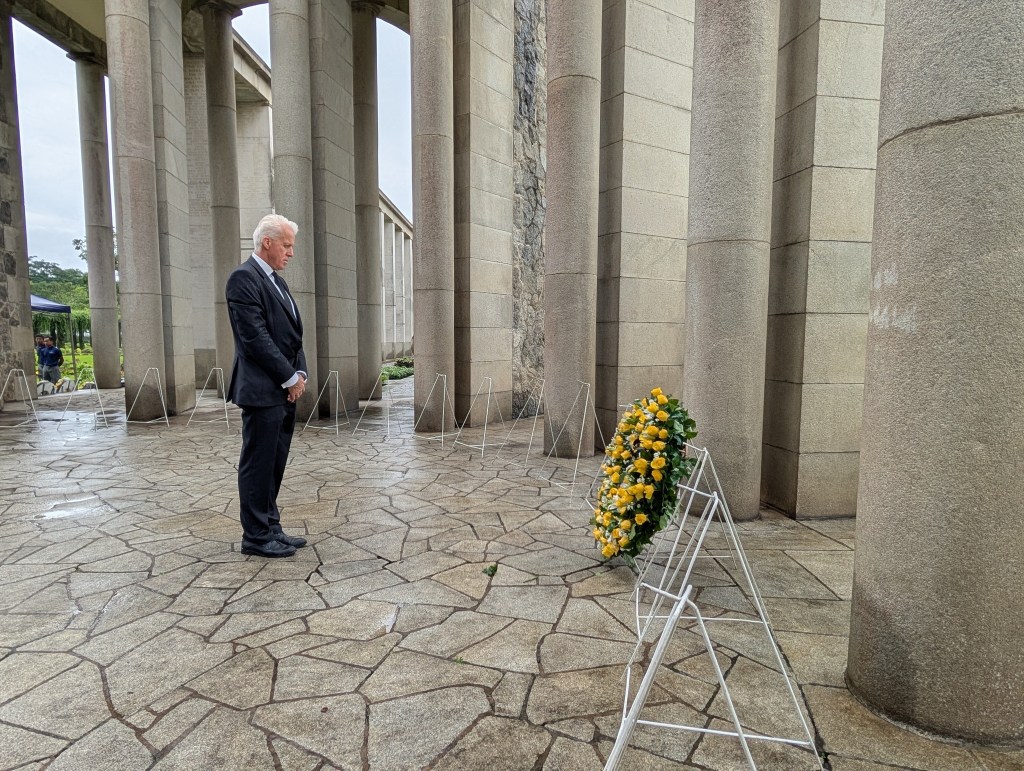
The eldest brother Lt John Andrew Furnivall Thompson born in April 1919, served with the 3rd Battalion 4th Bombay Grenadiers. He was lost in action in February 1945 in Burma (now Myanmar). He is commemorated on the Rangoon (Yangon) War Memorial in Taukkyan War Cemetery which commemorates 27,000 Commonwealth soldiers of WWII with no known grave. The British High Commisioner lays a wreath every Remembrance Sunday
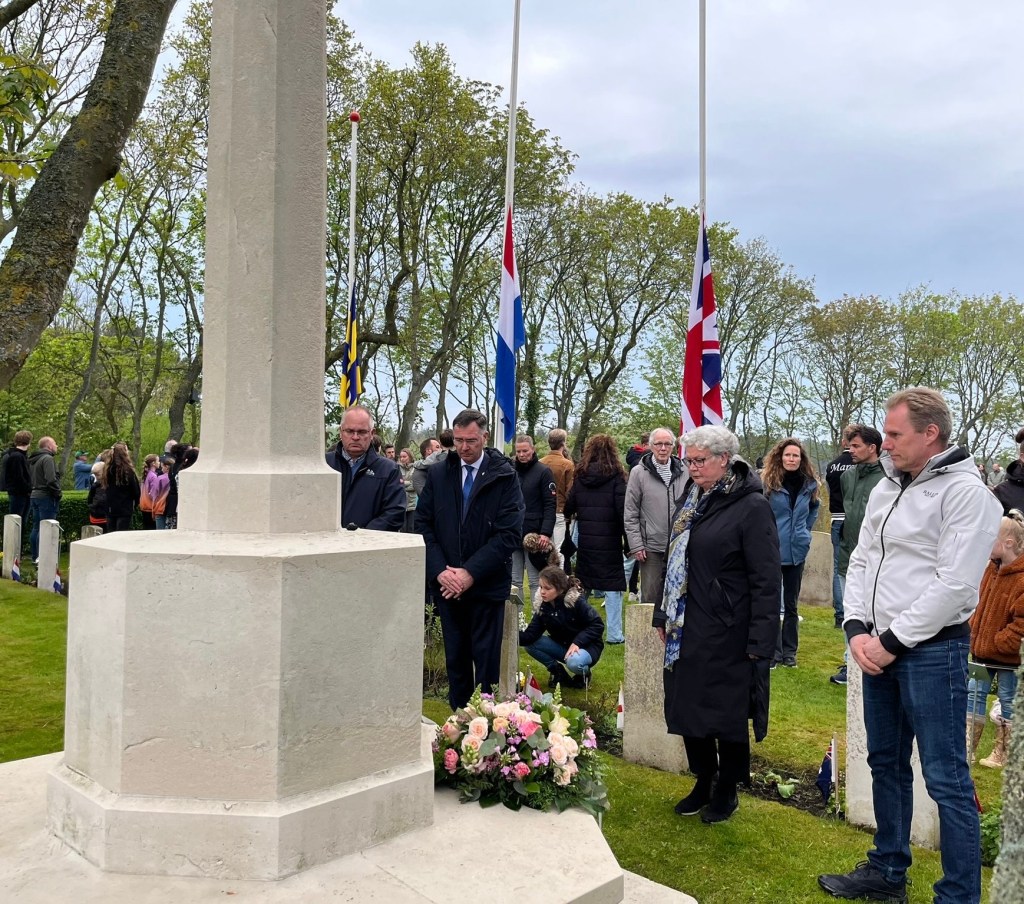
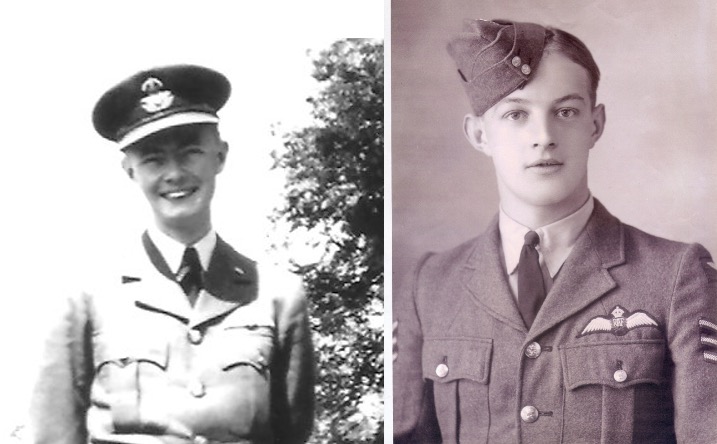
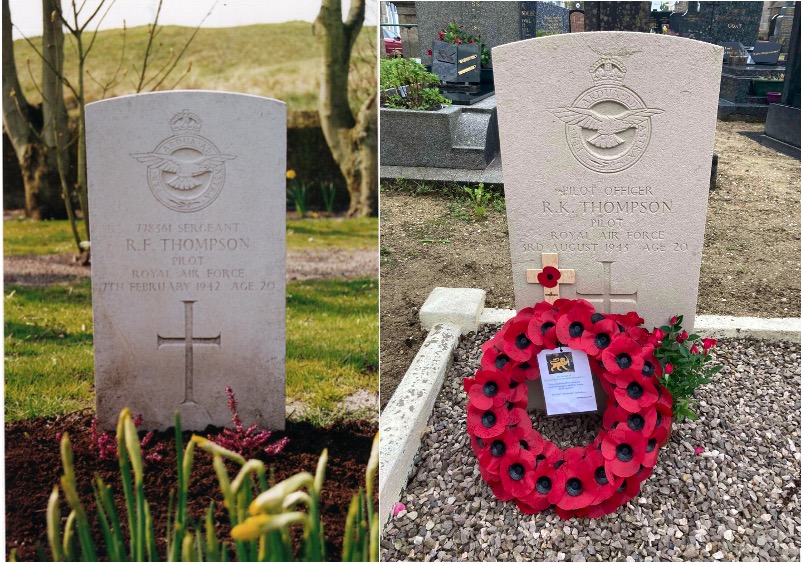
His younger brother Roy Furnival Thompson born April 1921 served with RAF 144 “Rhodesia Sqn. As the pilot of a Hampden bomber. On 7 February 1942 his plane was shot down during a sea mine laying mission off the Dutch Frisian Islands, His body was washed up on the small island of Terschelling. He is buried in the Ameland (Nes) CWGC cemetry.
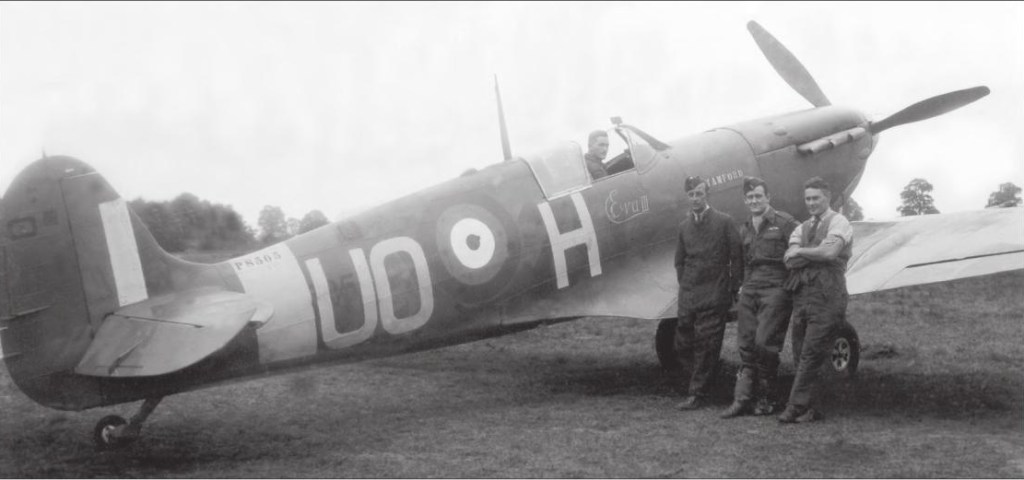
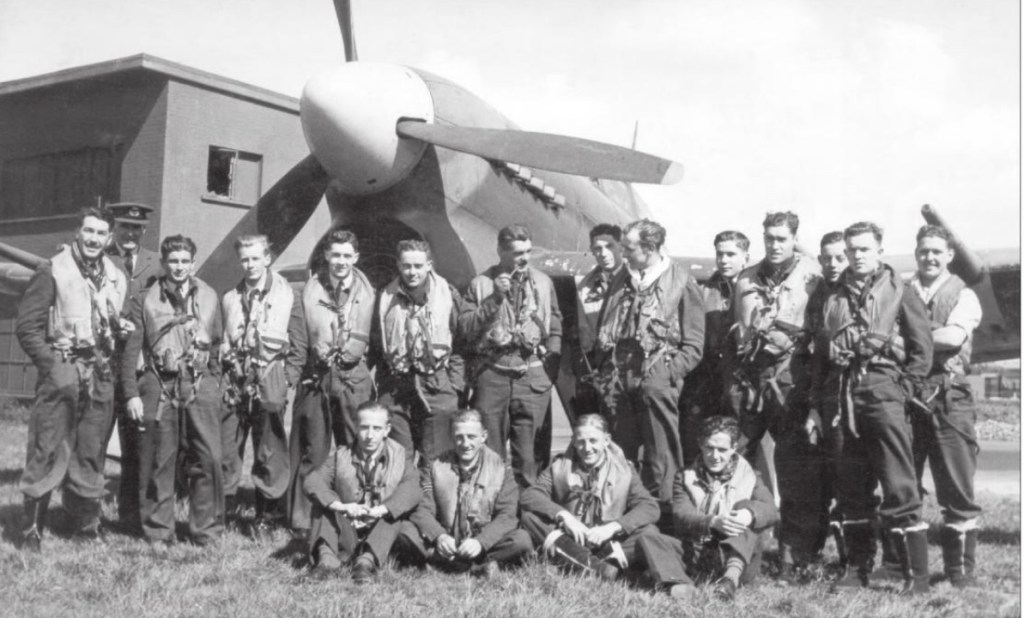
The youngest brother Richard Keith Thompson born in January 1923 served as fighter pilot with 266 RAF “Rhodesia” Squadron based at Exeter On 3 August 1943 his squadron of Hawker Typhoons led by Sqn Ldr Sandy MacIntyre (see Blog post) were deployed as close air protection to 8 Stirling bombers on a daylight raid on the submarine pens at Brest. Six Luftwaffe FW109 rose to intercept and in the ensuing dogfight Richard and Sandy’s planes were badly damaged. Richard’s plane spun out of control. The plane crashed near the town of Gouesnou without him being able to bale out. He is buried in Gouesnou Churchyard.
Aged 19 and 17 respectively both Roy and Richard emigrated to Southern Rhodesia (now Zimbabwe) in 1940 to join fellow Yorkshireman, Rugby international and friend of their father, Col Herbert MacIlwaine DSO, MC, Croix de Guerre who had a farm near the village of Marandelas, (now Marondera)
On his 18th birthday, Richard left farming to join the Rhodesian Air Force and began his pilot training. During one of his first solo flights, his plane, a de Havilland Tiger Moth, ran out of fuel and crashed in the bush. Richard survived and wandered through the bush for 12 days, feeding on birds’ eggs, before being found by local African children and finding his way back to base. This episode earned him, the nickname ‘Bundu’ The local Bantu language word for the bush and appears in subsequent official documents
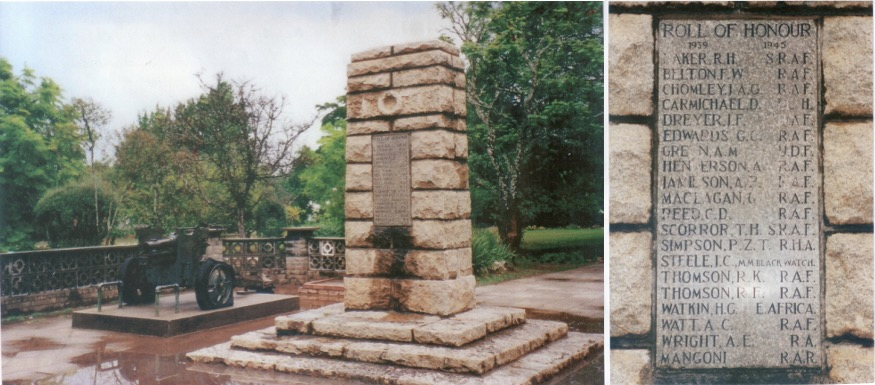
Roy and Richard were both commemorated on the war memorial in Marandellas/Marondera but this was removed, after the country’s Independence in April 1980. It is believed to be in England. They are recorded on the Roll of Honour of The Lion and Tusk Museum.
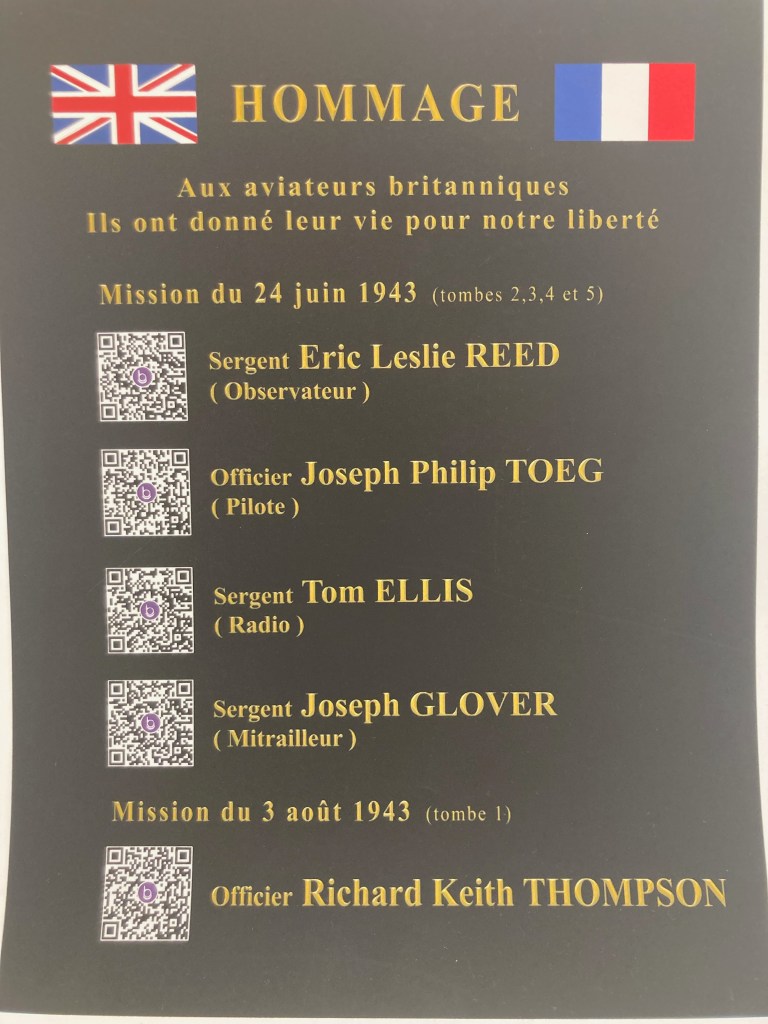
For more than 80 years, Roy and Richards sacrifice has been honoured. Their graves carefully tended by local people. In Gouesnou a memorial plaque has been erected with QR codes to allow passersby to learn about the story of the men buried there
With thanks to Daniel Crouan, Hugh Bomford, Sqn Ldr Clifford-Roper-Smith, Gerloff Molenaar, Gemeente Ameland, Andrew Jackson, Jackie Jackson, Lion and Tusk Museum, Gildas Saouzonet
 brittanyremembers.com