Raising
Awareness
Founded in 2022 by former British Ambassador John S. Duncan, Brittany Remembers is a non profit group which aims to bring to a wider public the many Remembrance events that take place each year across Finistère in Northwest France.
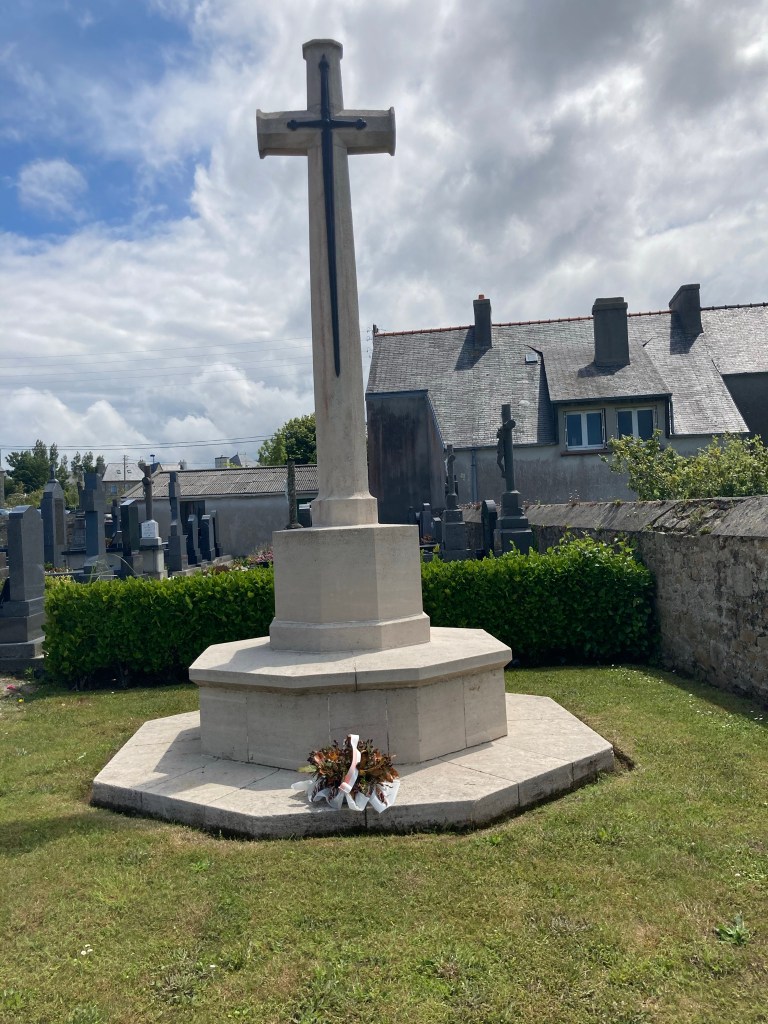
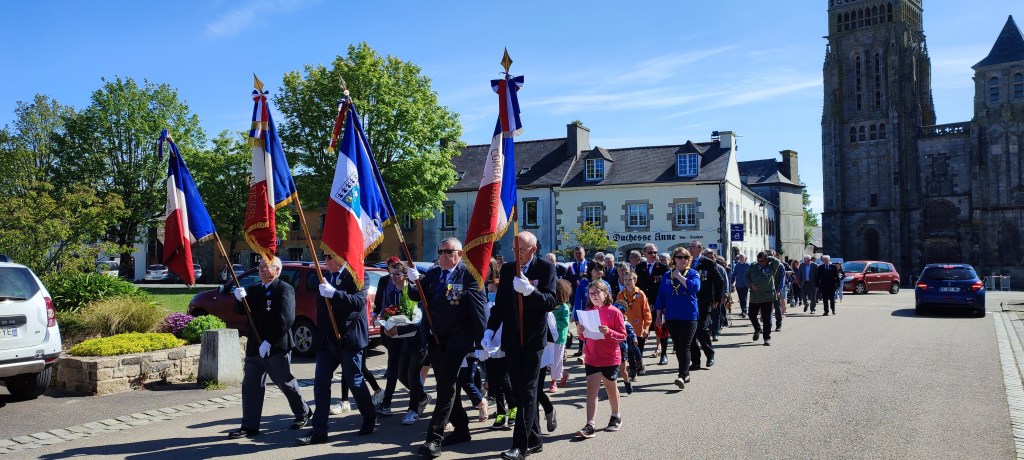
There are Commonwealth War Graves in many towns and villages in the area between Roscoff and Brest. The graves are maintained by local people and honoured at least twice a year on 8 May and 11 November. Many villages also hold ceremonies on the anniversary of the death of the soldier, sailor or airman.
Working with local veterans associations and the Commonwealth War Graves Commission and their French equivalents – Souvenir Français and ONACVG – we regularly reach out to families and descendants of those buried here to learn the story of these men and women so that they become no longer simply names on a grave. The results are shared on village websites. Families are always given a warm welcome should they wish to attend.
Local schools are active participants in all events. A programme of school lectures is an essential part of the yearly calendar, so that those who sacrificed all in the Cause of Freedom are not forgotten by later generations.
The rich history of this area in both the First and Second World Wars is little known beyond our shores.
In the First World War Brest was the major point of disembarkation for Commonwealth troops from Africa, Australasia and the West Indies on their way up to the Western Front. From 1917 it was a major base for Gen Pershing’s American Expeditionary Force.
In the Second World War it was the scene of the rescue of Mme de Gaulle and her children in front of an approaching German army in 1940. The local Resistance carried on the fight, evacuating downed aircrew often by boat from Brittany’s secluded beaches. Many very dangerous Top Secret Missions occurred here, but are largely unknown. 26 year old New Zealander Sam Millen’s secret mission in a modified Spitfire is one of the most emotive.
Brest was a high priority target as a base for German U Boats. Many allied airmen lost their lives in bombing and harassing raids and are buried locally. On the sea Motor Torpedo Boats and Battleships harassed the German navy, especially before D-Day. Sailors from the Canadian destroyer HMCS Athabaskan are buried in villages along the coast.
The Liberation when it came in August/September 1944 was a a brutal fight between the US 3rd and 9th Armies and the German defenders including elite Paratroopers. Three British units also took part – HMS Warspite, 141 Royal Armoured Corps and 30 Assault Unit Commando. All the US Army and British casualties were either repatriated or buried at St James Cemetery near Avranches and Bayeux CWGC cemetery in Normandy. So few memorials remain locally of this heroic struggle.
In the coming months we hope to raise awareness of the courage and sacrifice of those from across the world who fought for the Cause of Freedom in this area. Please join us when you can. The Bretons have not forgotten!
 brittanyremembers.com